
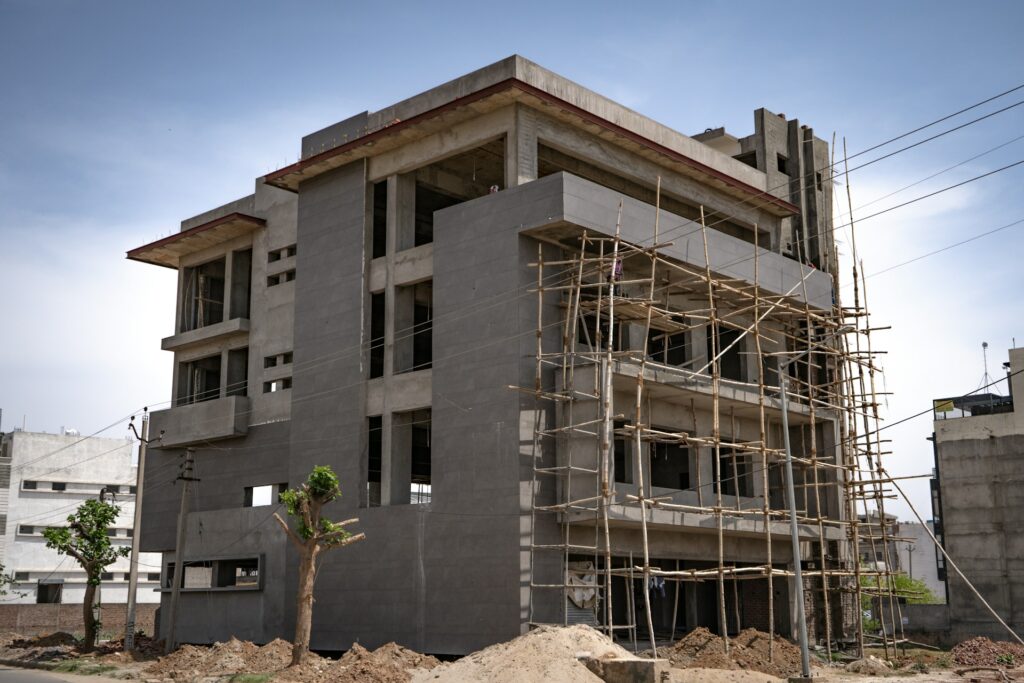
When planning a building project, it can be tempting to focus only on the upfront expenses while overlooking the long-term implications of design and materials. However, ignoring sustainability often leads to higher operating costs, maintenance challenges, and reduced property value over time. Energy inefficiency, poor insulation, and reliance on non-renewable materials create financial and environmental burdens that become increasingly difficult to manage. Many builders and homeowners are beginning to recognize the importance of eco-friendly approaches by exploring platforms like hausbau-forum.de, where discussions about sustainable practices and cost-saving methods are actively shared. By factoring in sustainability from the beginning, you not only protect the environment but also safeguard your investment against future expenses. Choosing to cut corners today often results in hidden costs that far outweigh the initial savings.
Rising Energy and Utility Expenses
One of the most immediate costs of unsustainable construction is higher energy consumption. Buildings that lack proper insulation, efficient windows, or renewable energy systems often require more heating, cooling, and electricity to remain comfortable. This translates into long-term financial strain for occupants through inflated utility bills. By contrast, sustainable buildings are designed to minimize energy use, often cutting costs significantly over time. What may seem like a saving during construction becomes a constant financial drain when energy inefficiency is ignored.
Increased Maintenance and Repair Costs
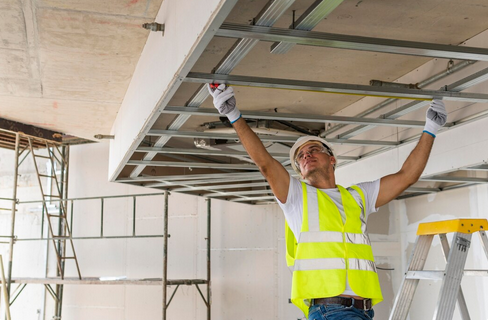
Ignoring sustainability can also lead to greater maintenance expenses. Cheap, non-durable materials may lower initial costs, but they often deteriorate faster and require frequent repairs or replacement. Unsustainable building methods can also lead to structural weaknesses, poor ventilation, or water damage, all of which result in costly long-term maintenance. In contrast, sustainable materials and construction techniques are chosen for durability, meaning they last longer and perform better under various environmental conditions.
Health and Productivity Concerns
Sustainability is not just about environmental responsibility; it also directly affects human health. Buildings constructed without eco-friendly considerations often have poor indoor air quality due to toxic paints, inadequate ventilation, or mold caused by energy inefficiencies. These conditions can lead to respiratory problems, allergies, and reduced overall well-being for occupants. In workplaces, this can further result in decreased productivity and higher healthcare costs. Investing in sustainable design with natural ventilation and low-VOC materials creates healthier living and working environments.
Environmental and Social Costs
Beyond financial implications, ignoring sustainability has broader consequences for society and the planet. Conventional construction contributes significantly to carbon emissions, resource depletion, and waste generation. These environmental costs ultimately circle back to communities through climate change impacts, higher infrastructure expenses, and increased vulnerability to extreme weather. Sustainable construction practices, on the other hand, reduce environmental strain and promote resilience, benefiting both current and future generations.
Negative Impact on Property Value
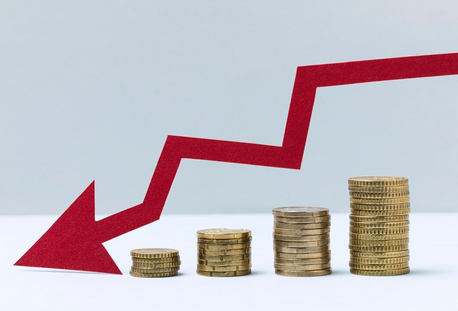
As buyers and investors become more conscious of environmental issues, properties without sustainable features are losing appeal in the market. Homes and commercial buildings that fail to meet modern sustainability standards risk lower resale values and reduced rental demand. On the other hand, eco-friendly buildings with certifications such as LEED or energy-efficient ratings often enjoy higher property values and faster sales. Ignoring sustainability not only affects current living conditions but also undermines future financial returns.
The hidden costs of ignoring sustainability in construction far outweigh the perceived benefits of saving money. Higher utility bills, frequent repairs, health problems, declining property values, and environmental damage all stem from unsustainable choices. Embracing sustainability ensures buildings are efficient, durable, and market-ready while also promoting healthier lifestyles and stronger communities. By prioritizing eco-friendly practices, builders and homeowners can avoid these hidden costs and secure long-term value for both people and the planet.