
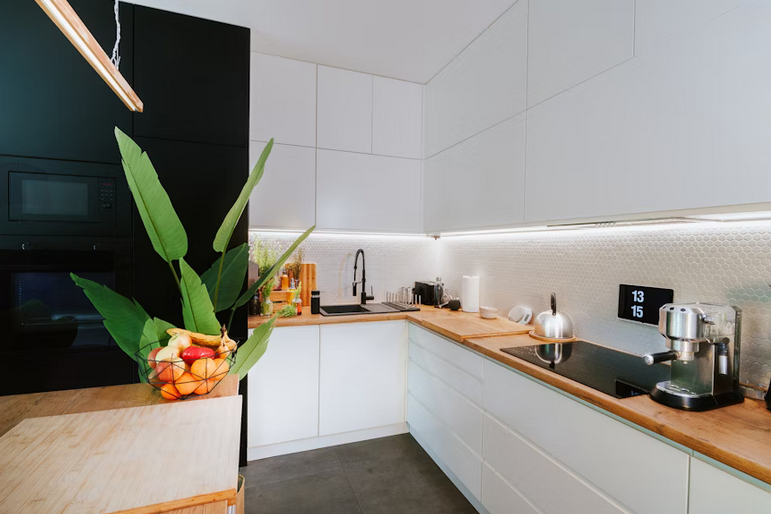
As climate concerns grow and technology advances, a new kind of home is emerging—one that’s not only smart but also deeply sustainable. Artificial intelligence is reshaping how we live, offering smarter ways to conserve energy, reduce waste, and design homes that actively support the environment. This isn’t about adding a few smart plugs or a voice assistant—it’s about rethinking our homes from the ground up, with sustainability built into the core through intelligent systems.
Implementation of Sustainability in the Blueprint
AI is now playing a key role from the very beginning of home design. Architects and developers are using AI-powered tools to simulate energy performance, test sustainable materials, and determine the best layout for natural light and airflow. These early insights help reduce long-term environmental impact while improving comfort and efficiency. Reading insights available at www.it-boltwise.de allows professionals to stay updated on the latest in smart tech trends and tools that can drive sustainability in construction. As AI continues to integrate with design software, it enables smarter choices that blend both eco-conscious materials and intelligent systems right into the structure.
Upgraded Water Conservation
AI is also helping us tackle another critical resource: water. Smart irrigation systems use AI to monitor weather, soil moisture, and plant health to deliver the exact amount of water needed—no more, no less. Inside the home, smart leak detectors and water usage monitors catch waste before it becomes a problem. This kind of precise, data-driven control is revolutionizing how we approach everyday tasks. Instead of relying on one-size-fits-all schedules, homes now adjust water use based on real-time needs, helping homeowners save money while supporting a healthier planet.
Sustainable Living Through Automation

Home automation isn’t just about convenience—it’s also a powerful tool for environmental responsibility. AI-powered systems can shut off unused lights, unplug idle devices, and reduce HVAC use when no one’s home. These small adjustments add up to major energy savings over time. Beyond energy, automation extends to waste reduction, too. AI-enabled refrigerators can track expiration dates and suggest recipes based on what you already have, reducing food waste. Smart waste bins can even help sort recyclables correctly, minimizing landfill contributions.
Smarter Energy Use at Home
One of the most obvious ways AI contributes to greener living is by managing energy usage more efficiently than we ever could manually. Smart thermostats, appliances, and lighting systems now learn your habits and adjust automatically to reduce energy waste. They know when you’re home, when you’re away, and even anticipate your needs based on weather forecasts or daily routines. AI doesn’t just react—it predicts and optimizes. Over time, it creates a tailored energy profile for each household, lowering utility bills and shrinking your carbon footprint. In newer homes, entire energy management systems are designed around this concept, ensuring nothing is wasted.
Personalized Eco Habits

Perhaps the most exciting aspect of AI in sustainable living is its ability to personalize habits that are good for the planet. AI systems provide gentle reminders, tips, and even gamify eco-friendly behaviors to keep users engaged. You might receive a notification suggesting cooler laundry settings or a weekly energy report that encourages more efficient habits. Over time, these systems learn what works for each household and tailor their suggestions to maximize long-term impact. It turns sustainability into something you can feel and measure—making it easier to stay motivated and informed.
AI-driven smart homes are no longer just futuristic ideas—they’re quickly becoming the standard for modern, sustainable living. By optimizing energy and water use, supporting eco-friendly behaviors, and reshaping how homes are designed, AI is making it possible to live comfortably while caring for the planet. The greener future we’ve been talking about? It’s already arriving, one intelligent home at a time.