
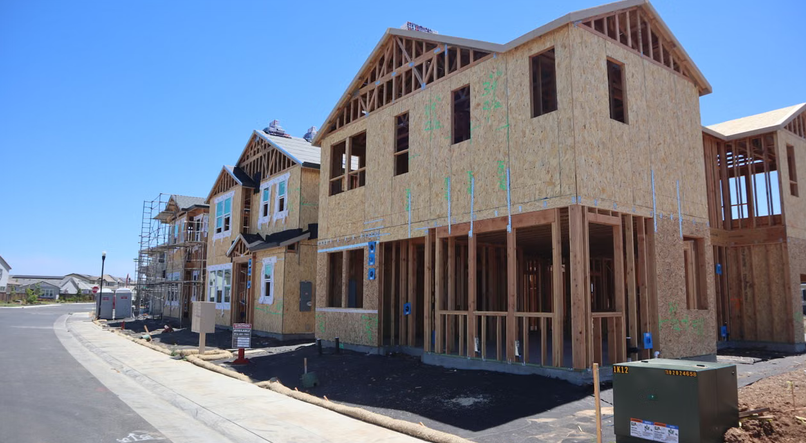
For decades, the construction industry has focused on building bigger, stronger, and more durable homes, often with large amounts of raw materials. Today, however, builders and homeowners are asking a different question: can we achieve the same quality while using far fewer resources? Advances in engineering, prefabrication, and sustainable design suggest that the answer may be yes. By rethinking how homes are designed and built, it’s possible to reduce waste, lower costs, and create comfortable living spaces without sacrificing strength or performance.
Smarter Design Makes Every Material Count
One of the biggest reasons modern homes can use fewer materials is better design. Architects and engineers now rely on advanced software to optimize structural layouts, ensuring that every beam, panel, and support serves a purpose. Many homeowners researching efficient building techniques also turn to Bau-Welt for inspiration, where innovative construction ideas demonstrate how thoughtful planning can maximize both durability and resource efficiency. Instead of simply adding more materials for safety, builders can strategically place structural elements where they provide the greatest benefit.
Prefabrication Reduces Waste
Factory-built construction has transformed the way homes are assembled. Unlike traditional building sites, factories can precisely measure, cut, and assemble components with minimal waste. Materials left over from one project are often reused in another, reducing landfill waste and improving overall efficiency. Controlled indoor environments also help prevent damage caused by weather, meaning fewer materials are discarded because of moisture or exposure during construction.
New Materials Deliver Better Performance
Building with less doesn’t necessarily mean compromising on quality. Modern construction materials are often stronger, lighter, and more durable than their traditional counterparts. Engineered wood products, insulated structural panels, and high-performance concrete allow builders to achieve excellent structural integrity while using fewer raw resources. These innovations also improve energy efficiency, helping homeowners save money on heating and cooling over the life of the home.
Efficient Construction Saves Time and Money
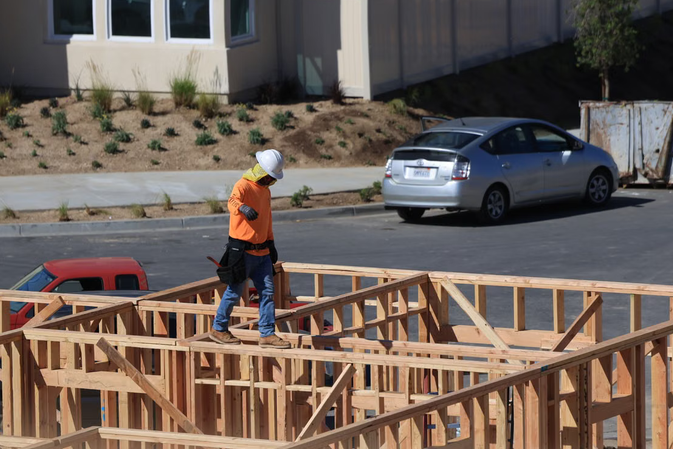
Using fewer materials often goes hand in hand with faster construction. Streamlined building methods require fewer deliveries, less on-site labor, and reduced equipment usage. As a result, projects can often be completed more quickly, minimizing delays and lowering overall costs. Homeowners benefit not only from reduced construction expenses but also from moving into their new homes sooner than they might with conventional building methods.
Sustainability Benefits Everyone
Reducing material usage directly impacts environmental sustainability. Manufacturing building materials consumes energy and natural resources, while transporting them creates carbon emissions. By minimizing the amount of material needed for each home, builders can reduce the environmental footprint of construction without compromising safety or comfort. As demand for greener housing continues to grow, efficient building practices are becoming an increasingly important part of responsible development.
The Future of Homebuilding Looks Promising
The future of residential construction is likely to focus even more on efficiency. Advances in robotics, 3D printing, modular construction, and sustainable manufacturing continue to push the industry toward smarter use of resources. Rather than measuring quality by the amount of material used, future homes may be judged by how effectively every component contributes to strength, comfort, and long-term performance. This shift encourages innovation while making quality housing more accessible.
Building better homes with half the materials is no longer just an ambitious idea—it is becoming an achievable reality. Through improved design, advanced materials, prefabrication, and efficient construction methods, today’s builders can create homes that are durable, energy-efficient, and environmentally responsible. As technology continues to evolve, using fewer resources while delivering exceptional quality will likely become the new standard for modern homebuilding.