
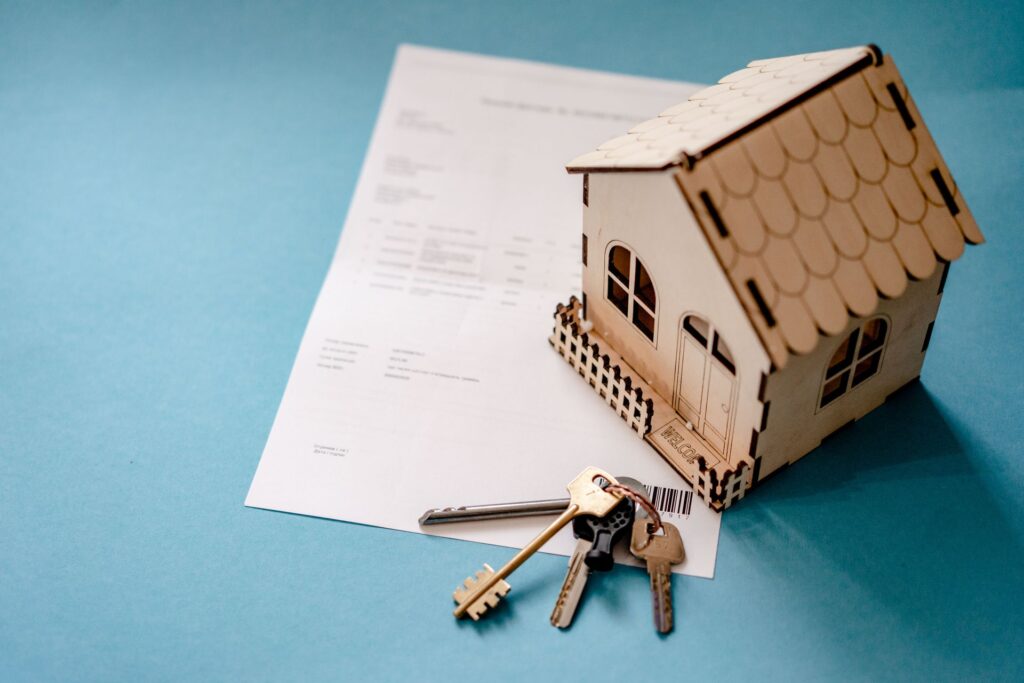
Investing in an older home can pay off because it often delivers greater long-term value, timeless character, and more room to build equity through smart renovations. While weighing your options, a post at https://deavita.com/wohnen/altbau-modernisieren-tipps-energieeffizientes-wohnen-1973719.html offers thoughtful ideas on updating older properties with energy-saving improvements that respect their original charm. At first glance, an aging house may look like a long list of repairs. Look a little closer, though, and you may see an opportunity hiding beneath the peeling paint.
Built With Materials That Stand the Test of Time
 Many older homes were constructed with hardwood, solid brick, and quality craftsmanship that can be difficult to match today. Walk through one, and you’ll often notice details that have survived decades without losing their appeal. Thick trim, real wood floors, and handcrafted touches tell a story that modern mass-produced finishes rarely capture. Those features also add lasting appeal for future buyers. A house with good bones is worth far more than trendy finishes that quickly fall out of fashion. Cosmetic changes are usually easier and less expensive than rebuilding structural elements.
Renovations Can Build Equity Faster
Buying an older property at the right price often leaves room in the budget for meaningful upgrades. Each well-planned improvement has the potential to increase market value while making daily life more comfortable. That’s a rewarding combination for homeowners who plan ahead. Instead of paying a premium for someone else’s renovation, you can shape the house around your own priorities.
The smartest projects usually begin behind the walls. Updated electrical wiring, reliable plumbing, and better insulation improve safety and efficiency before cosmetic work starts. Once those essentials are complete, every visible upgrade feels more worthwhile. Think of it like planting healthy roots before expecting a tree to flourish.
Energy Improvements Make Older Homes More Practical
Many people assume an older house automatically comes with high utility bills. In reality, strategic upgrades can dramatically improve efficiency. Better insulation, sealed air leaks, and energy-efficient windows reduce wasted heating and cooling. Those improvements also make the home more comfortable throughout the year. Replacing outdated heating or cooling equipment can further reduce operating costs. Pairing those upgrades with proper ventilation creates a healthier indoor environment as well. Small changes completed over time often have a noticeable impact on monthly expenses.
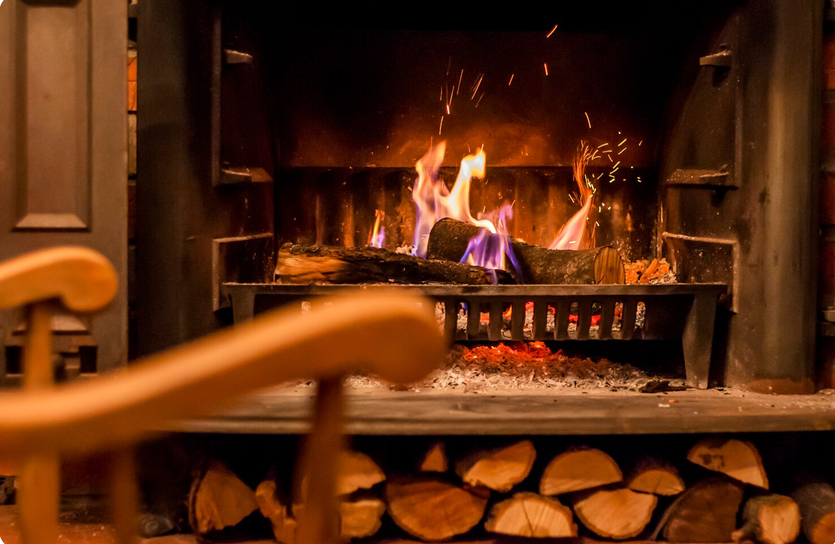
Character Never Goes Out of Style
Something is inviting about a home with history. Original fireplaces, vintage windows, decorative moldings, and classic layouts create warmth that many buyers still appreciate. These details give each room personality without trying too hard. They make guests pause and say, “They just don’t build them like this anymore.” A refreshed kitchen, brighter lighting, or a modern bathroom can blend beautifully with historic features. Mixing old and new often creates spaces that feel welcoming instead of predictable.
A Thoughtful Investment Rewards Patience
Older homes rarely reveal their full potential on the first visit. Looking beyond worn finishes allows you to evaluate the property’s structure, location, and renovation possibilities. A careful plan helps you prioritize projects that add lasting value instead of chasing temporary trends. Every improvement becomes another step in building a stronger investment. The best results come from balancing preservation with practical updates. Protect the home’s original character while improving comfort, efficiency, and everyday function.
That approach creates a place that’s enjoyable to live in today and attractive to future buyers tomorrow. In many cases, an older home isn’t just a purchase. It’s the beginning of a rewarding long-term investment.…